Outdoor lighting makes your home safer by:
- Removing the visual cover that burglars rely on.
- Cutting trip hazards on uneven paths.
- Giving elderly residents and kids a clear, navigable yard.
A well-placed lighting setup gives you clear sightlines around your property and safe movement across walkways, driveways, and steps. But knowing what lighting to use where in your outdoor space is a whole other matter.
That’s where this guide comes in, as it covers the key areas of your home and the light types to use to ensure a safe and secure home. In fact, these are some of the top lighting setups Jason and his team at Lighthouse Outdoor Lighting help out with when installing outdoor lighting in New Jersey homes.
So these are industry standards used by lighting professionals specifically in the New Jersey area.
What Outdoor Lighting Actually Does for Home Safety
Visibility is the first layer. You need to see your front path, and without enough light, you or any other family member can miss a step or trip over a raised root.
Deterrence is the second layer. Improved lighting reduces nighttime crime activities and gives residents peace of mind.
Safe movement is the third layer. This one gets overlooked. Pathway lighting specifically reduces fall risks for older adults. If you have elders at home, you should consider getting high-quality outdoor lights.
4 Outdoor Lighting Upgrades That Improve the Safety of Your Home
- Wall Feature Lights for Instant Crime Deterrence
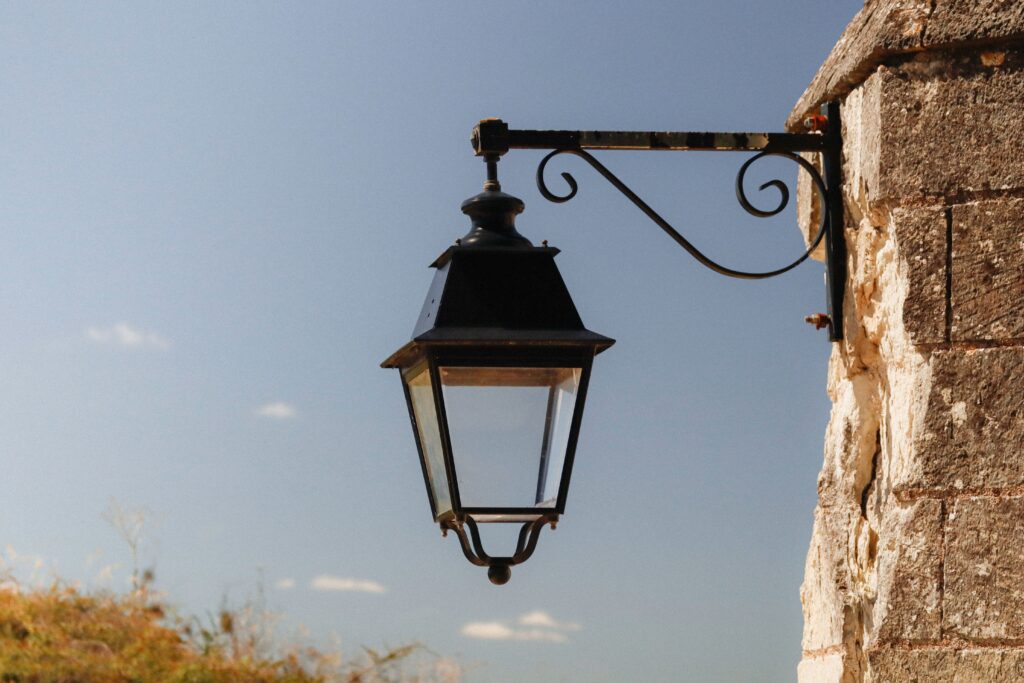
Wall motion-sensor lights are the go-to for many households, but they only serve one purpose: crime deterrence. Wall feature lights, on the other hand, are a crime deterrent and are far more aesthetic.
Place wall feature lights at:
- Side entrance walls
- Your garage or back garden walls
- Any area obscured from street view by hedges or landscaping
Placing wall feature lights in these areas not only adds a captivating glow to these otherwise overlooked parts of your house, but they also serve as the perfect crime deterrent, as they illuminate what would usually be weak points in your property’s security.
- Pathway Lighting to Prevent Trips and Falls at Night
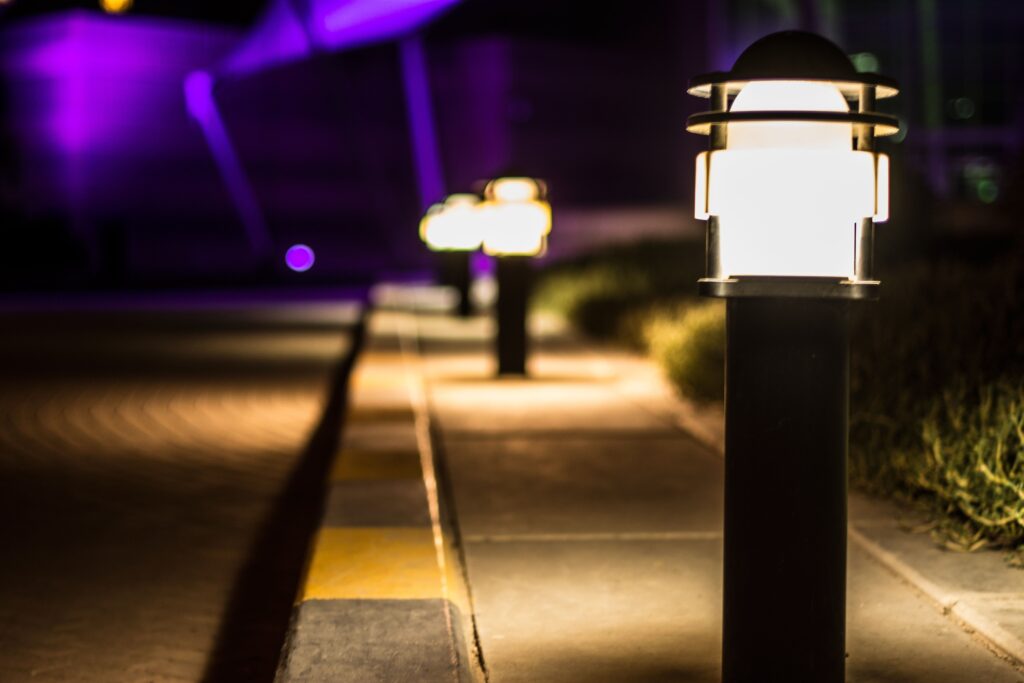
Low-mounted lights positioned along walkways, driveways, and garden paths help kids and elderly parents avoid tripping or falling.
For homes with uneven or older masonry paths, solar-stake lights work for sections away from the house, but hardwired low-voltage fixtures handle winter better.
- Entryway Lighting Around Your Doors
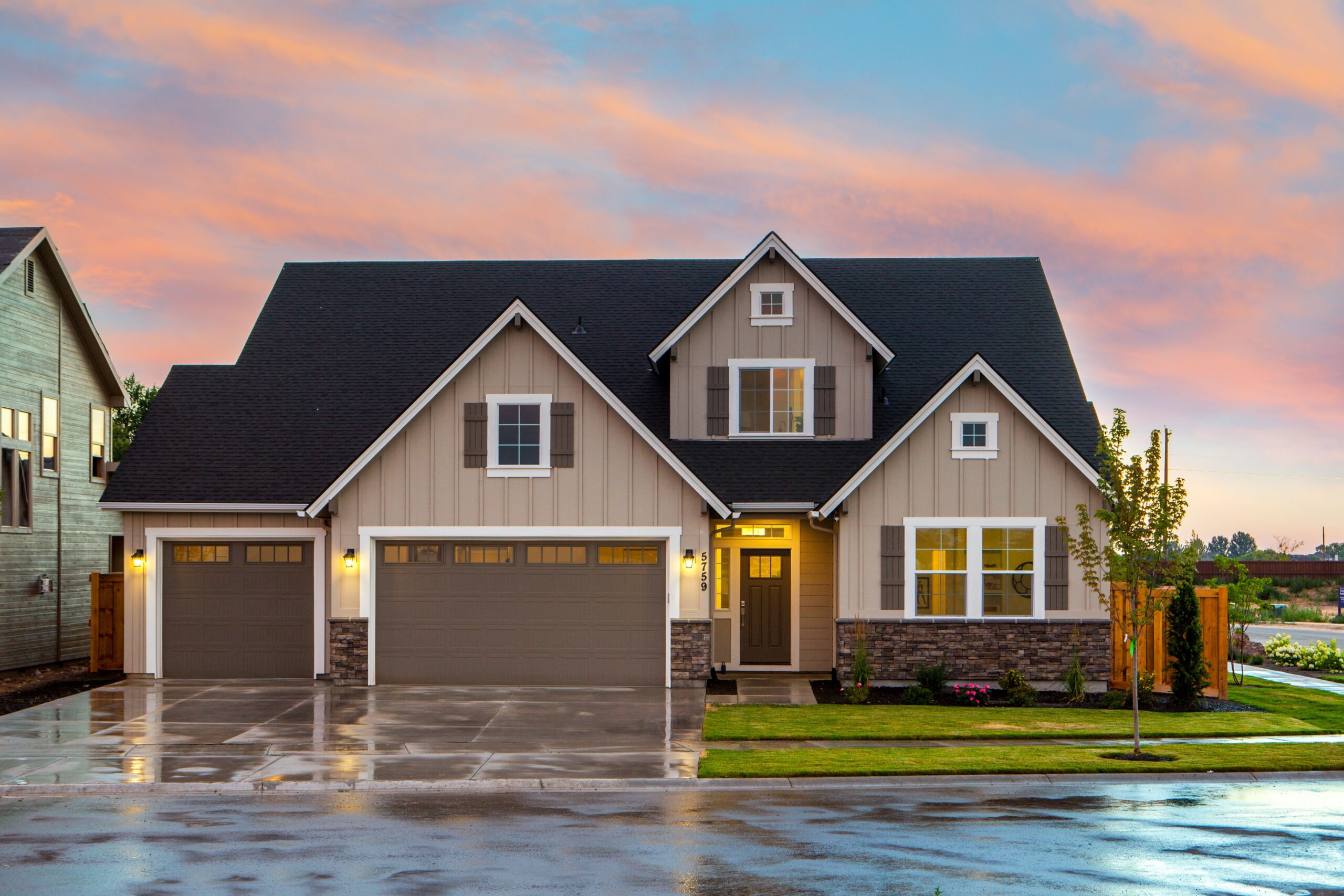
Outdoor lighting in New Jersey homes should be placed at the front door, the side garage door, and any secondary entrance. These are the highest-risk points on your property.
The best option is to use flanking lights at 5 to 6 feet on either side of the door frame. They also provide the kind of shadow-free illumination that makes it possible to see who is at the door from inside the home.
- Layered Lighting Instead of One Harsh Light Source
One common outdoor lighting mistake is installing a single high-wattage bulb. A single harsh source creates bright spots directly under it and deep shadows everywhere else.
Layering means combining ambient light (a softer overhead source), task lighting (fixtures aimed at paths and steps), and accent lighting (lower-level fixtures filling in the gaps). The result is an evenly lit yard without glare.
When to Bring in a Licensed Professional for Outdoor Lighting
Outdoor lighting installation looks simple until it involves running wire through walls and tapping into your breaker panel. Therefore, you need an expert on board to set the lighting for your home’s exterior.
New Jersey has extremely cold winters. It means outdoor lighting is less of an upgrade and more of a maintenance item. Get it right once, with properly rated fixtures and professional installation at the circuit level, and you will not think about it again for years.
*This post contains Amazon affiliate links.