
If you’re a koi enthusiast, you’re no doubt aware of the fact that these fish are definitely not “set and forget” fish. Not only do they grow to be large fish, but they eat regularly and produce copious amounts of waste. As a result, the water conditions in your pond can change quickly.
That is why choosing the right koi pond filter and pairing it with the proper pond filter pump is so important—because it’s not just about water conditions; it’s about healthy, happy, and stress-free fish.
In this guide, we will take you through the step-by-step selection of the right koi pond filter and how a Poposoap pond filter fits in.
Why Proper Filtration Is Critical in Koi Ponds
How Koi Fish Affect the Pond Water
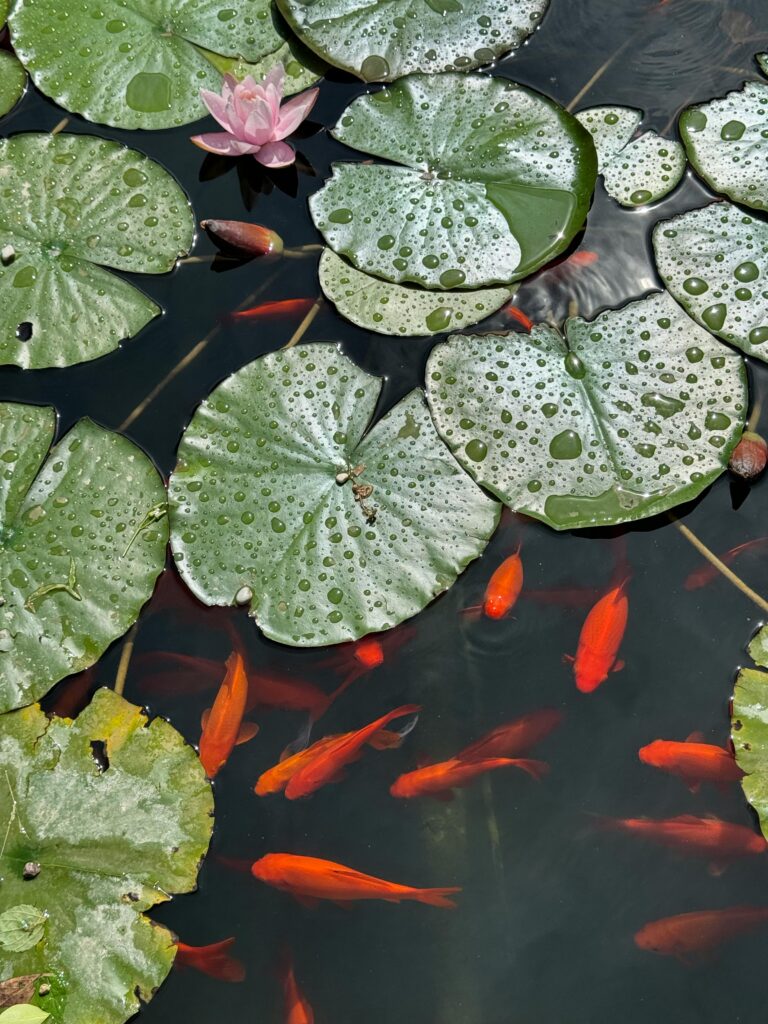
Koi are lovely creatures, but they are prolific producers of waste. The more they are fed, the more ammonia they produce in the water, and ammonia is a toxic byproduct of fish waste. While a small amount of ammonia might not be a big problem, even a slight increase can harm fish by damaging their gills and immune system.
In the wild, rivers and lakes naturally dilute fish waste through constant water movement and vast volumes of water. Backyard ponds, however, are closed systems where waste stays in the water, making proper filtration essential.
What Is the Difference Between Koi Ponds and Decorative Ponds?
Many decorative ponds are designed primarily for appearance, with just a few small fish swimming among the plants. Some are created mainly for visual appeal and aquatic landscaping.
A dedicated koi pond, however, is very different from a standard decorative pond because it typically involves:
- More fish
- More feeding
- Greater circulation demands
- Deeper water
Since koi are active swimmers, they require stable water conditions and a consistent supply of oxygen. A small Since koi are active swimmers, they need consistent oxygen and consistent conditions. A small solar fountain pump is not usually adequate.
What Are the Common Water Problems Causing Poor Water Quality in Koi Ponds?
If the filtration system is not up to the task, the following problems may be observed in the koi pond:
- Cloudy water
- Green water (algae growth)
- Foam on the surface
- Fish gasping at the surface
- Slower growth
Most of these problems are due to inadequate circulation and/or incorrect pump size.
What Is a Koi Pond Filter and What Is a Pond Filter Pump?
What Is a Koi Pond Filter
A koi pond filter is a device designed to clean solid waste and aid in biological cleaning.
A koi pond and filter normally consists of two components:
- Mechanical filtration (sponges or pads that trap debris)
- Biological filtration (media that holds beneficial bacteria)
Beneficial bacteria live in the biological filter media. The bacteria clean the water by converting ammonia into a safe form. The process by which the bacteria clean the water is called the nitrogen cycle, or the natural process of converting waste.
Some ponds have a UV clarifier, or ultraviolet light, to control green water caused by green water algae.
The Role of a Pond Filter Pump in Water Circulation
The filter pump circulates water through the filter. Without the filter pump, the filter cannot do its job.
The filter pump has two main purposes:
- The pump carries the waste into the filter media.
- The pump circulates the water, which helps keep the water clean by introducing more oxygen into the water.
If the water stands still, the water gets toxic, or bad for the fish; water needs to circulate to keep the water clean.
Mechanical vs. Biological Filtration for Koi Ponds
Mechanical filtration removes the obvious waste from the water.
Biological filtration removes the invisible waste from the water. The invisible waste includes ammonia, which converts into nitrite, then into nitrate, a less toxic substance.
Biological filtration is very important in a koi pond because of the high fish load.
Why Pump and Filter Matching is Important for Your Koi
One of the first things many people consider when selecting a pond filter pump is the pump’s size and power.
What often gets overlooked, however, is how the pump and filter work together. A pump that is too powerful may move water through the filter too quickly, preventing the beneficial bacteria in the filter media from properly cleaning it. On the other hand, a pump that is too weak may not move enough water or carry waste efficiently into the filtration system.
Choosing the right filter pump is all about creating the proper balance between water flow and filtration capacity.
How to Choose the Right Pond Filter Pump for Your Koi
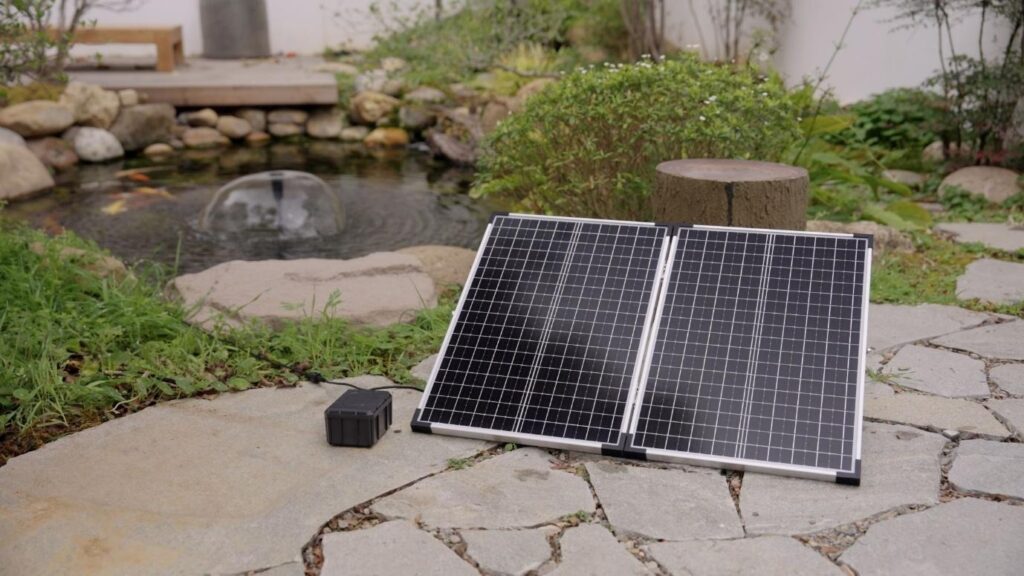
Calculating Pond Volume and Turnover Rate
The first step in choosing the correct filter pump is to determine the size of your pond.
Measure your pond.
Rectangular ponds:
Length × Width × Average Depth × 7.5 = gallons.
For koi ponds, you want to circulate all the water volume within one to two hours.
This term is called the turnover rate.
For example, a 1,500-gallon pond should circulate 1,500 to 3,000 gallons per hour (GPH), depending on stocking levels.
Matching Pump Flow Rate to Koi Pond Filter Capacity
Start by checking the flow rate recommended by your filter system manufacturer.
Your pump’s flow rate should fall within that recommended range. If the flow rate is too high, the filter may not operate as efficiently as intended. If the flow rate is too low, water circulation and waste removal may become inadequate.
Properly matching the pump and filter helps maintain stable water conditions and reduces unnecessary stress on your koi.
Head Height, Hose Length, and Real-World Flow Loss
Most pond pumps are rated under ideal conditions with little to no resistance.
In real-world pond setups, however, water often needs to be pushed uphill to a waterfall or returned to the pond through plumbing and hoses. This creates resistance, commonly referred to as head height. Long hose runs, bends and fittings can also reduce flow performance.
Because of these factors, some loss in pump efficiency is normal. Choosing a pump that is slightly above your minimum flow requirements can help compensate for these real-world conditions and maintain proper water circulation.
Energy Efficiency and Continuous Operation Needs
Koi ponds operate continuously, 24 hours a day, so energy consumption is an important factor to consider when selecting a pump.
Choosing an energy-efficient motor can help reduce long-term operating costs and lower your utility bills. It is also important to select a pump designed for continuous operation rather than one intended only for intermittent use, since koi ponds require constant water circulation and filtration.
Key Features to Look for in a Koi Pond Filter System
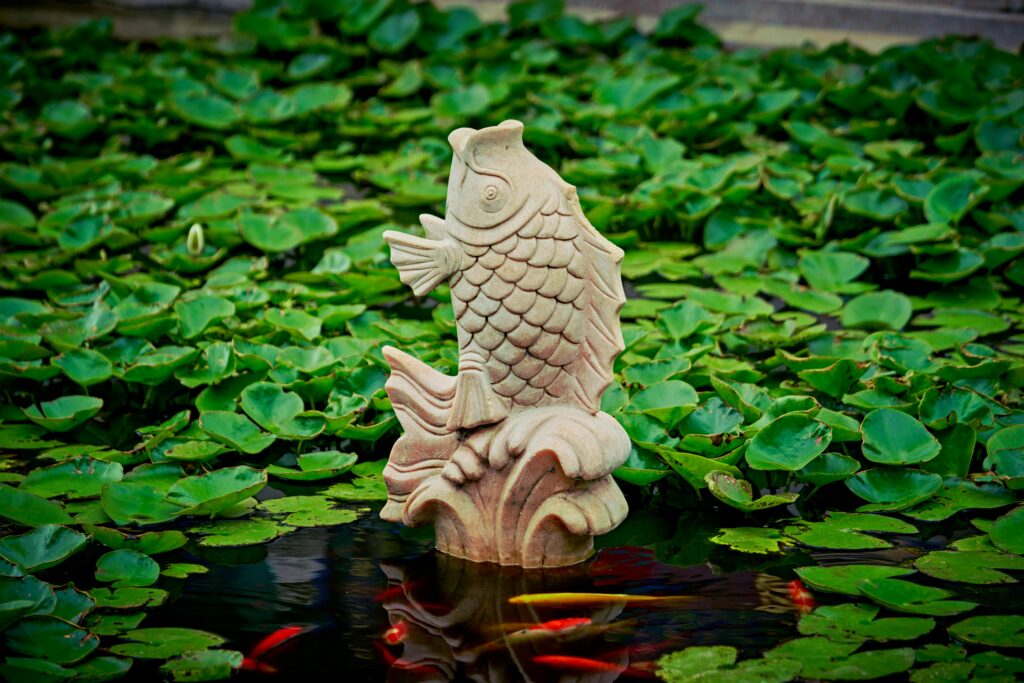
High-Capacity Filtration Media for Heavy Fish Load
Koi produce more waste than smaller ornamental fish. Your filter system should have thick mechanical sponges and biological media to provide a large surface area.
Reliable Pump Performance for 24/7 Circulation
Reliability is key to koi survival. Sudden pump failure can cause the level of dissolved oxygen to drop rapidly. The system must be rated for outdoor use to ensure performance does not vary.
Easy Maintenance and Clog-Resistant Design
Maintenance should be straightforward and not difficult so the system can be cleaned regularly and with ease. If cleaning is complicated or time-consuming, it is more likely to be neglected over time, which can reduce filtration efficiency and lead to clogging within the system.
Optional UV Clarifiers for Algae Control
Optional UV clarifiers can be used to help control green water caused by free-floating algae.
While they are not a substitute for a proper filtration system, they can significantly improve water clarity, especially in ponds exposed to strong sunlight.
Why Poposoap Pond Filters Are a Smart Choice for Koi Ponds
Poposoap Pond Filter Design for Clean and Stable Water
The Poposoap Pond Filter is a compact system that offers mechanical and biological filtration. It filters the water while providing bacteria growth sites. This ensures steady water conditions.
Optimized Pond Filter Pump Pairing
The Poposoap Pond Filter is designed to deliver optimized pump performance through a properly matched system.
The pump and filter are paired to ensure the correct flow rate and efficient water circulation.
This takes the guesswork out of selecting a compatible pump and helps ensure the system works together as intended.
Durability and Outdoor Reliability
Outdoor equipment must be able to withstand a wide range of conditions, including extreme temperatures, heavy rain, and other harsh weather exposure.
The Poposoap Pond Filter is designed specifically for outdoor use, ensuring dependable performance and reliable operation throughout the seasons.
Choosing the Right Poposoap Pond Filter for Your Koi Pond
When it is time to select the Poposoap Pond Filter to be used in your koi pond, consider:
- Measuring your koi pond accurately
- Measuring how large your koi will get
- Measuring if there are waterfalls or height changes
- Avoiding undersized filters
Healthy koi ponds are not built by accident. They are built through steady circulation, good filtration and optimized pump performance. If the pump and the filter are working together in harmony, the water will remain stable. And if the water remains stable, the koi will flourish.