
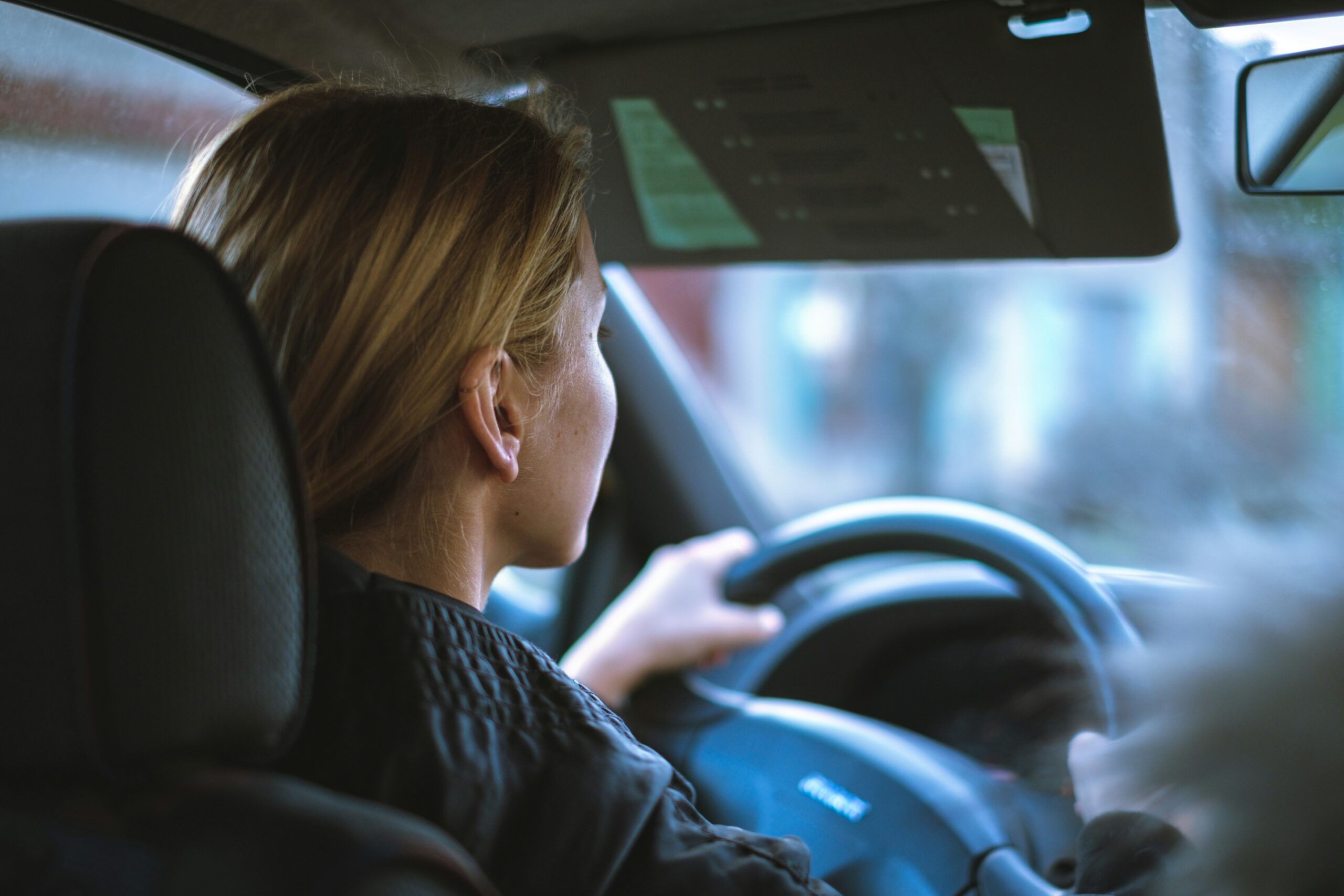

Watching your teen get behind the wheel for the first time can bring a mix of pride and worry. Driving gives teenagers more freedom, but it also comes with a lot of responsibility. For parents, the goal is not just to help teens pass their driving test. It is to help them build habits that keep them alert, calm, and prepared every time they are on the road.
Safe driving starts long before a teen drives alone. Parents play a big role in shaping how young drivers think, react, and make decisions behind the wheel.
Start With Calm, Consistent Practice
Teen drivers need time to get comfortable with different roads, traffic patterns, and driving conditions. Short practice sessions can be helpful at first, especially in quiet neighborhoods or empty parking lots. Once your teen becomes more confident, gradually introduce busier streets, highways, rain, nighttime driving, and school traffic.
Try to stay calm during practice drives. Teens are already nervous, and a tense parent in the passenger seat can make them more anxious. Give clear instructions, avoid shouting, and talk through mistakes after the drive when everyone is calmer.
Instead of saying, “You did that wrong,” try something like, “Next time, start slowing down a little earlier before the turn.” Small corrections are easier for teens to absorb.
Teach Them to Look Beyond the Car Ahead
Many new drivers focus only on the vehicle directly in front of them. Safer driving requires a wider view. Teach your teen to scan the road ahead, check mirrors regularly, and notice what is happening on both sides of the street.
This is where road awareness training can be helpful. It teaches teens to pay attention to their surroundings, spot possible risks early, and respond before a situation becomes dangerous. For example, a ball rolling into the street may mean a child could run after it. A car waiting at an intersection may pull out unexpectedly. Brake lights far ahead may signal traffic slowing down.
The more teens learn to notice these signs, the better prepared they are to make safe decisions.
Talk About Distractions Honestly
Phones are one of the biggest distractions for teen drivers, but they are not the only one. Loud music, friends in the car, eating, adjusting navigation, and even emotional conversations can take a teen’s attention off the road.
Set clear rules before your teen starts driving alone. Phones should be put away or set to driving mode. Music should stay at a reasonable volume. If friends are allowed in the car, make sure your teen understands that the driver is responsible for staying focused.
It also helps to model this behavior yourself. If your teen sees you checking your phone at stoplights or rushing through traffic while distracted, they may copy those habits.
Practice Defensive Driving Skills
Defensive driving means expecting that other drivers may make mistakes. Teens should learn to leave enough space between cars, avoid aggressive drivers, and never assume another driver will stop, signal, or follow the rules.
A good habit is the “what if” mindset. Ask your teen questions during practice drives, such as:
“What would you do if that car suddenly changed lanes?”
“What if the pedestrian stepped off the curb?”
“What if the light turns yellow before you reach the intersection?”
These questions help teens think ahead instead of simply reacting at the last second.
Help Them Understand Speed and Space

Teens may not always realize how much time and distance it takes to stop a car. This is especially true in rain, heavy traffic, or at night. Remind your teen that speed limits are not goals. Sometimes the safest speed is below the posted limit, depending on the road and conditions.
Teach them to keep a safe following distance and avoid tailgating. A few extra seconds of space can make a big difference when traffic suddenly stops.
Prepare Them for Real-Life Situations
Driving lessons often focus on basic skills, but real roads can be unpredictable. Teens should know what to do if they get lost, have a flat tire, encounter road rage, or feel unsafe in a parking lot.
Go over simple safety steps together. They should know how to pull over safely, when to call for help, and how to stay calm in stressful situations. Keeping emergency contacts, insurance details, and roadside assistance information in the car can also give both teens and parents peace of mind.
Keep the Conversation Going
Teaching safer driving habits does not end once your teen gets a license. Check in regularly. Ask how they feel about driving, what situations make them nervous, and whether they have had any close calls.
Try not to turn every conversation into a lecture. Teens are more likely to listen when they feel respected. Share your own driving experiences, including mistakes you learned from.
Final Thoughts
Helping your teen become a safer driver takes patience, practice, and open communication. By teaching them to stay aware, avoid distractions, respect speed and space, and think ahead, you are giving them skills that can protect them for years.
A license gives teens independence, but strong driving habits give them confidence and safety. As a parent, your guidance can make a lasting difference every time they get behind the wheel.