A family’s outdoor space can do a lot more than look nice from the kitchen window. It can give kids room to run, make pet care easier, keep messy projects out of the house, and offer everyone a calmer place to unwind. The best setup usually starts by noticing how your family already uses the yard, patio, garden, or side area, then making small changes that help those spaces serve you better every day.
Start With How Your Family Uses the Space
Before buying new furniture or jumping into a weekend project, take a little time to see what already happens outside. The most useful outdoor spaces are shaped around real family habits, not picture-perfect setups.
Notice where everyone naturally goes. Maybe the kids always drag toys to one corner of the yard, the dog waits by the same gate, or muddy shoes pile up near the back door. You might see that garden tools rarely make it back to the shed, sports gear ends up on the patio, or one sunny spot goes unused because there’s nowhere comfortable to sit.
Those everyday patterns are helpful clues. A cluttered patio may need nearby storage. A sunny play area may need shade. An ignored side yard could become a spot for bikes, bins, or a small garden station. When your outdoor areas match the way your family lives, they become easier to use and easier to care for.
Create Easy Areas for Play and Relaxing
A family-friendly outdoor space works best when everyone has a comfortable place to land. Kids need room to move, pets need a safe spot to stretch out, and adults need a place to sit where they can still keep an eye on things.
Start with the basics: shade, seating, and clear sightlines. A small table near the patio, a bench under a tree, or a few washable outdoor cushions can make the yard feel more inviting without turning it into a major project. If children spend a lot of time outside, soft landing areas, open space, and simple boundaries can make playtime feel easier for everyone.
A few thoughtful updates can help the yard grow with your family. A toddler-friendly corner today might become a reading spot, craft area, or hangout space later. Flexible seating, open play space, and shade can make backyard play safer for children as your family’s routines change.
Give Outdoor Gear a Real Home
Outdoor clutter spreads quickly. A few garden tools, soccer balls, pool towels, and patio cushions can make even a pretty yard feel unfinished when there’s nowhere obvious for everything to go.
The easiest fix is to store items close to where you use them. Keep gardening gloves and hand tools near the beds, put outdoor toys in a weatherproof bin by the play area, and give sports gear a spot near the door or garage. When storage is convenient, everyone is more likely to use it.
Think in small zones rather than relying on a single big storage solution. A bench with hidden storage, a few hooks for hoses and tools, or labeled bins inside a shed can make cleanup quicker at the end of the day. The goal is not to hide every sign of family life. It’s to make the space simple to reset.
Make Messy Projects Easier to Manage
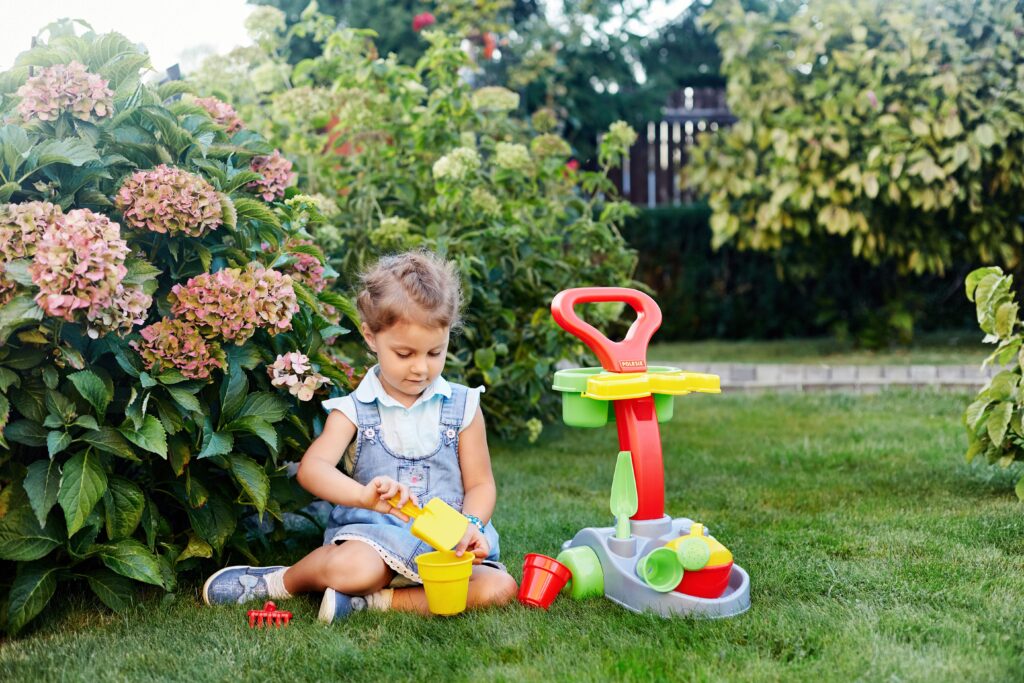
Some of the best family activities come with dirt, paint, water, or a little controlled chaos. Gardening, potting flowers, washing outdoor toys, painting small projects, and planting herbs are all more enjoyable when there’s a dedicated place for the mess.
A project area doesn’t need to be fancy. A sturdy table, a hose nearby, a few washable containers, and storage for gloves or supplies can make a big difference. When the space is near the garden or patio, it becomes easier to start a quick project without dragging half the garage out.
Choose surfaces that can handle spills and cleanup. Pavers, gravel, outdoor mats, or a small workbench can keep messy activities from taking over the deck or kitchen table. When projects have their own place, kids can be creative, parents can relax a little more, and cleanup feels less like another chore.
Plan for Pets, Projects, and Larger Outdoor Needs
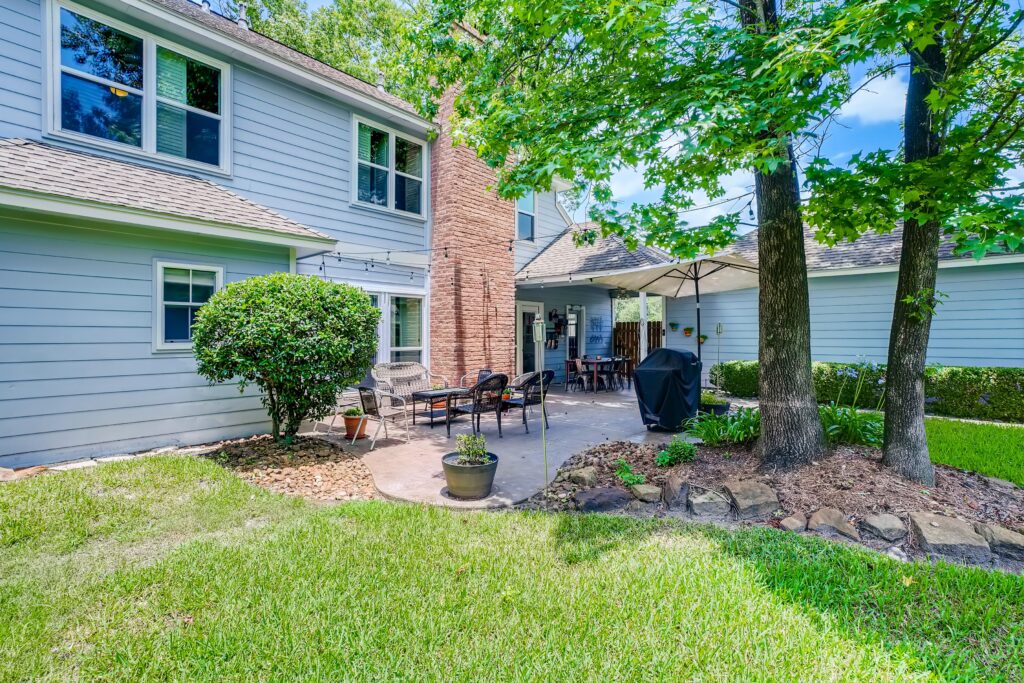
A useful outdoor space should reflect the way a family actually lives. For some homes, that means making room for pets, hobbies, storage, weekend projects, or animal care without letting those needs take over the yard.
In New Jersey, many families may focus on getting more function from compact patios, side yards, garden corners, or small sheds. In Pennsylvania, a larger lot might make it easier to separate play areas, gardening tools, equipment, and messy projects. Virginia has a mix of suburban homes and larger properties, so outdoor planning can include anything from fenced pet areas to barn spaces that support daily routines. When horse care is part of the household rhythm, well-planned custom horse stalls in Ashburn VA can make day-to-day movement, upkeep, and organization feel easier. In Texas, families with more outdoor space may consider shade, storage, and clear zones so that different activities do not crowd one another.
The same idea applies no matter the size of the property. When pets, projects, tools, and family activities each have a clear place, the outdoor space becomes easier to use, easier to clean up, and more comfortable for everyone.
Choose Materials That Can Handle Daily Use
Outdoor family spaces need materials that can withstand weather, foot traffic, pets, kids, tools, and the occasional forgotten toy left in the rain. Pretty details are nice, but the most useful choices are the ones that still look good after a busy week.
For seating areas, washable cushions and sturdy tables can make the space easier to enjoy without constant fussing. For garden corners or project zones, gravel, pavers, or outdoor mats create surfaces that are simple to sweep, rinse, or reset. If you have gates, fencing, storage boxes, or shed doors, choose pieces that open easily, close securely, and can handle regular use.
Durable materials make outdoor spaces feel calmer. When surfaces are easy to clean, and structures are built for real life, the yard feels less like one more thing to manage and more like a natural part of the home.
Keep Outdoor Areas Safe and Simple to Maintain
A family-friendly outdoor space should be easy to move through, easy to clean up, and simple to check at the end of the day. Clear walkways, working gates, sturdy storage, and good lighting can prevent small problems from becoming daily frustrations.
Look at the things your family passes every day: loose tools, sharp corners, slippery spots, cluttered steps, or toys left near gates and paths. Yard tools, lawn chemicals, and gasoline should stay out of children’s reach, which makes safe outdoor storage a practical part of any family yard.
A little routine maintenance goes a long way. Walk the yard now and then, put away loose items, check latches, rinse messy surfaces, and trim anything that blocks a path. The easier a space is to maintain, the more often your family will want to use it.
A Yard That Works With Real Life
The most useful outdoor spaces make ordinary days easier. They give kids room to play, keep pets comfortable, make storage less frustrating, and leave space for the projects and routines that come with family life.
Your yard does not need to be perfect to work well. A few thoughtful changes can make the whole space feel more welcoming, from better storage and clearer zones to safer pathways and more comfortable places to sit. When your outdoor areas support the way your family already lives, they become easier to enjoy and maintain.